When shopping for a cheese slicer, many buyers focus on the cutting mechanism and overlook an equally important factor: the material of the slicer itself. Wooden and plastic cheese slicers are among the most common options available, and each offers distinct advantages depending on how you plan to use it.
The right choice depends on your priorities. Some buyers value affordability and convenience, while others prioritize durability, presentation, and craftsmanship. Understanding the differences between wooden and plastic cheese slicers can help you invest in a tool that fits your kitchen and serving style.
Understanding the Two Types
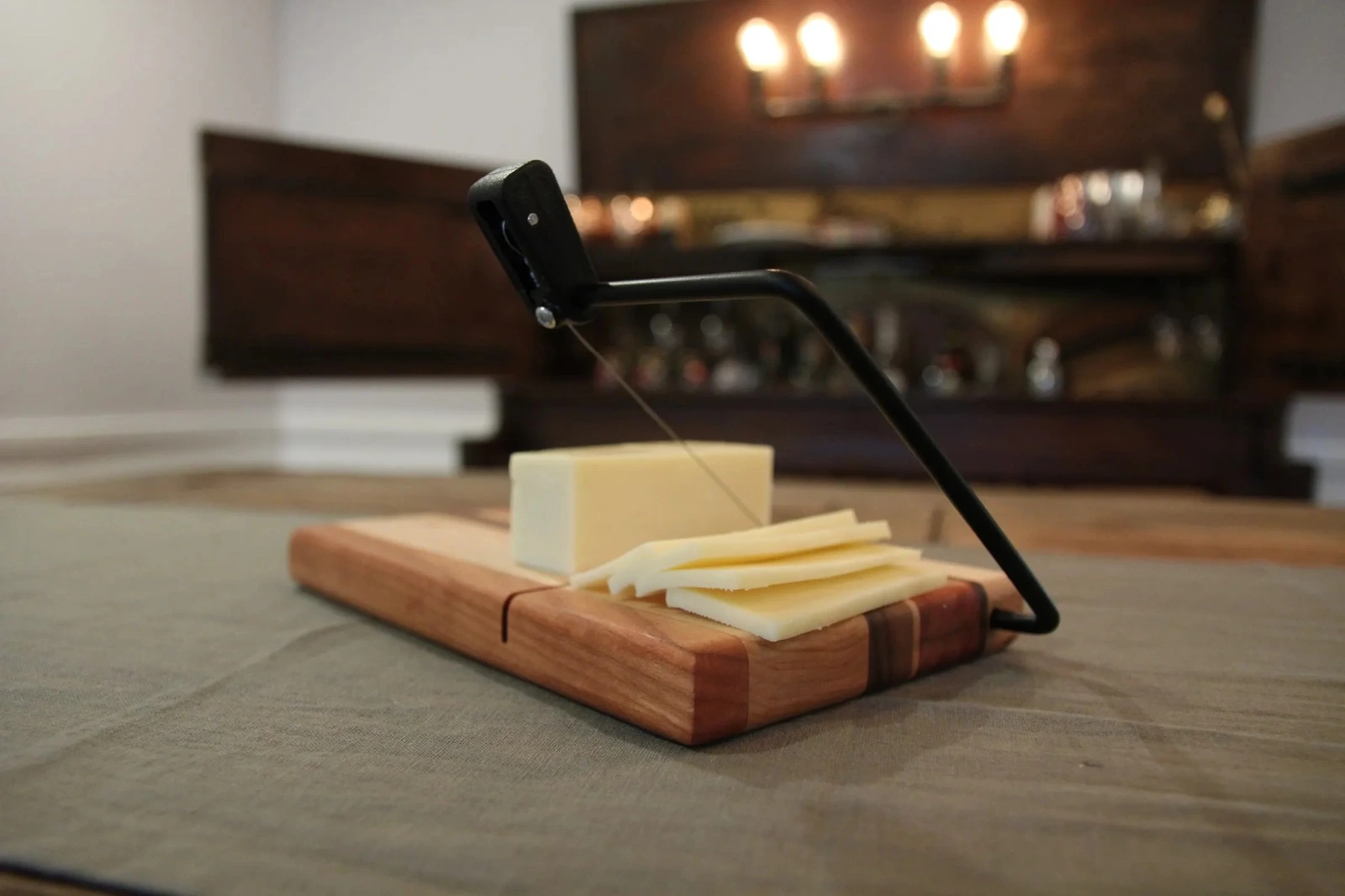
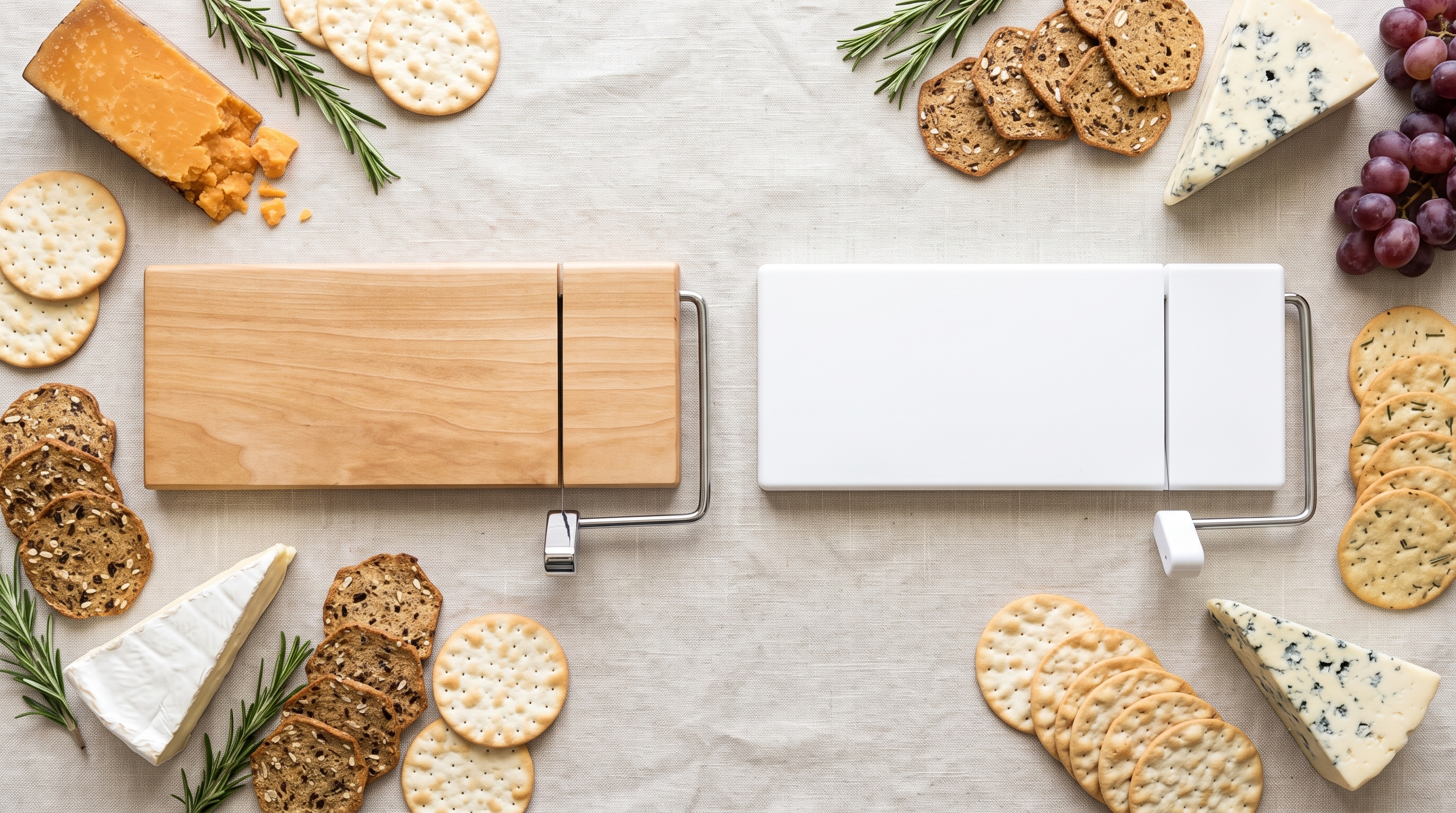
A wooden cheese slicer typically features a solid wood base paired with a stainless steel wire or blade. These slicers are often designed to double as serving boards, making them suitable for entertaining and charcuterie presentations.
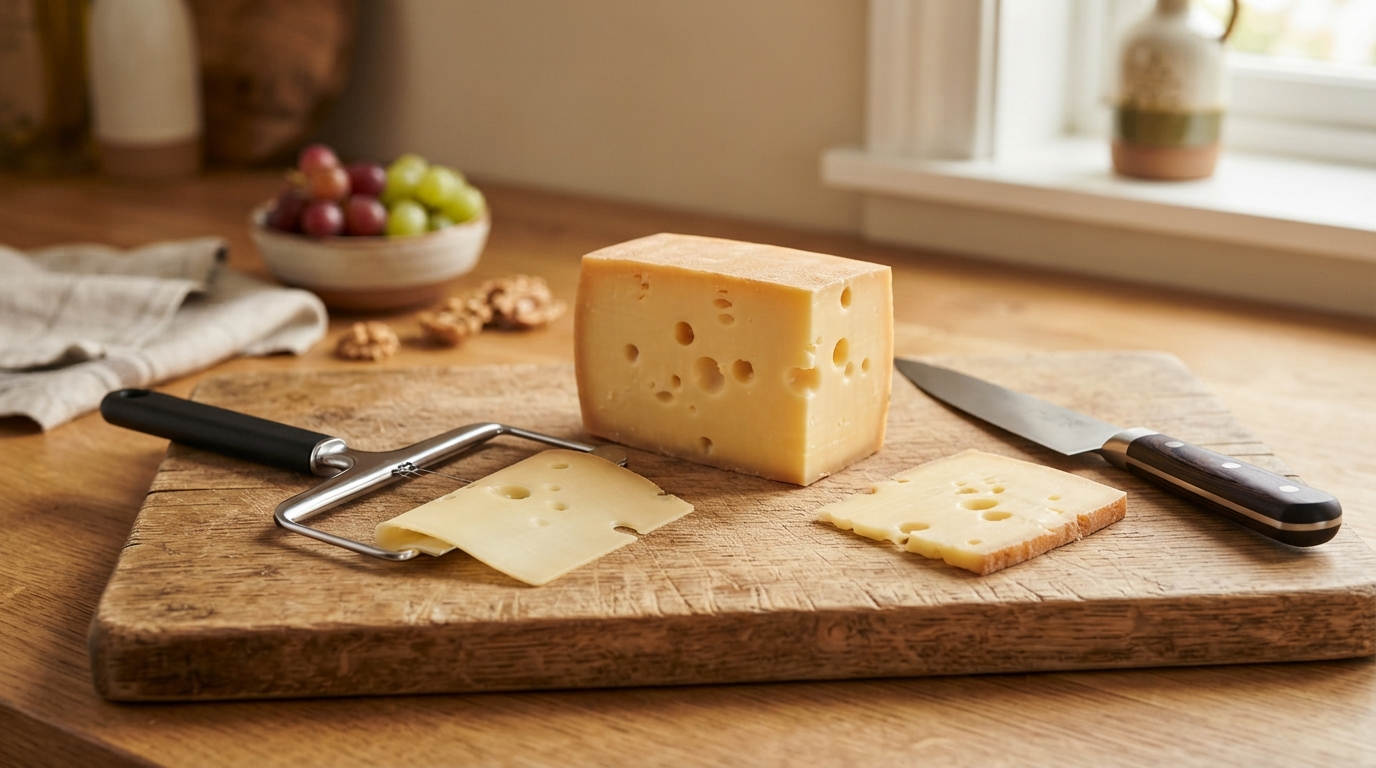
Plastic cheese slicers, on the other hand, are generally lightweight kitchen tools designed primarily for functionality. They often feature molded plastic handles and frames with either a cutting wire or blade.
While both perform the same basic task, their user experience can be quite different.
Appearance and Presentation
One of the biggest reasons buyers choose a wooden cheese slicer is aesthetics.
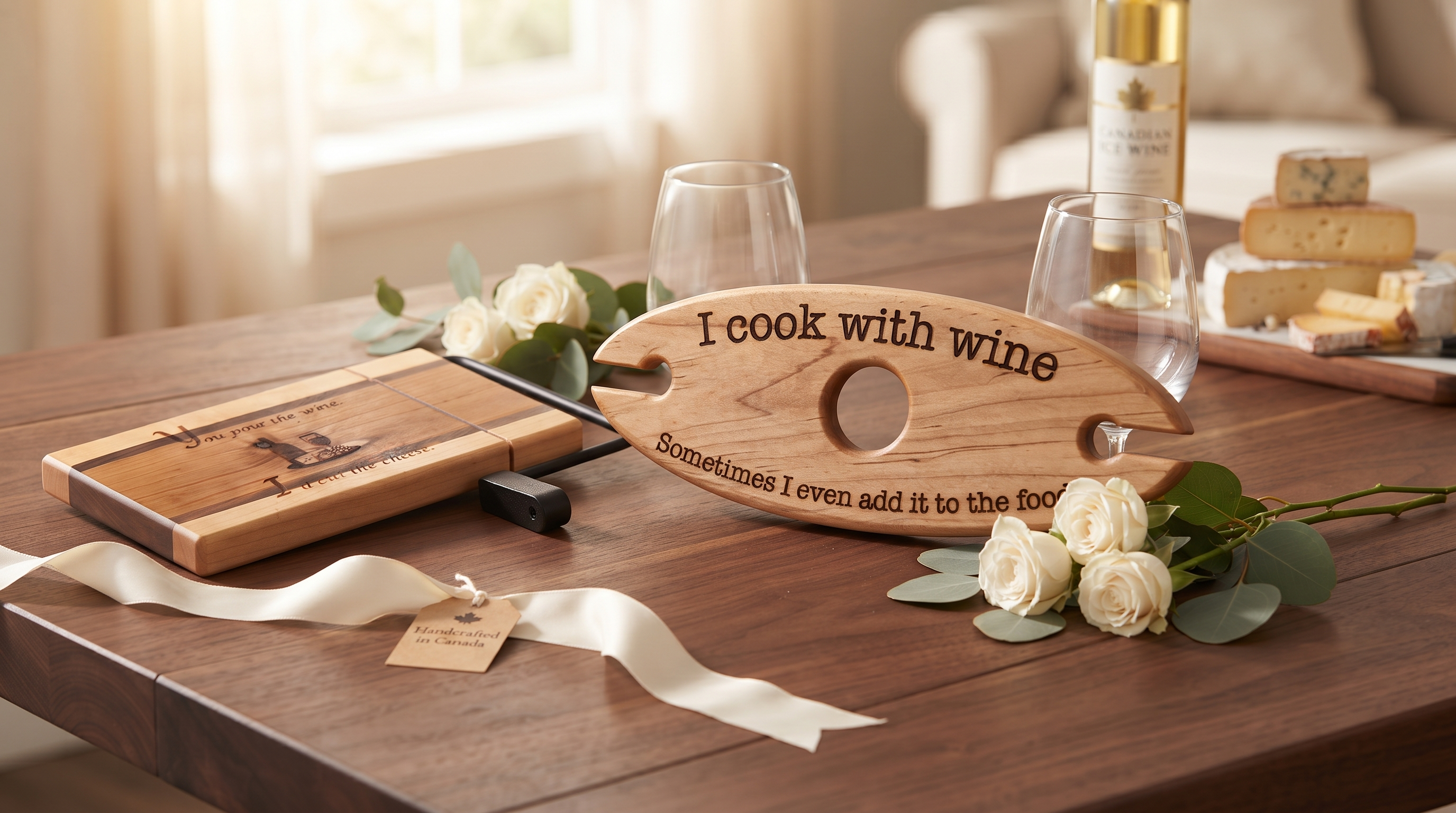
Natural wood brings warmth and character to a kitchen or dining table. The grain patterns, handcrafted details, and premium feel make wooden slicers particularly appealing for serving guests. Many homeowners prefer them because they blend seamlessly with charcuterie boards, wine accessories, and farmhouse-style kitchen décor.
Plastic slicers tend to prioritize practicality over appearance. They are available in various colours and designs but generally lack the visual appeal that makes a serving piece stand out during gatherings.
If presentation matters, wooden cheese slicers usually have the advantage.
Durability and Longevity
Material quality plays a major role in how long a cheese slicer lasts.
A well-made wooden cheese slicer can remain functional for years when properly maintained. Solid hardwood construction resists everyday wear and develops a character that many owners appreciate over time.
Plastic slicers are often more susceptible to cracking, warping, or showing visible wear after prolonged use. While high-quality plastic models can be durable, lower-cost versions may need replacement sooner.
For buyers looking at long-term value rather than initial cost alone, wood often provides a longer service life.
Weight and Handling
Plastic cheese slicers are typically lighter and easier to carry. This can be beneficial for people who prefer lightweight kitchen tools or need a slicer that is easy to store in drawers.
Wooden cheese slicers are heavier, which some users actually consider an advantage. The added weight helps keep the board stable while slicing, reducing movement on the countertop.
Neither option is universally better here; it depends on personal preference.
Cleaning and Maintenance
This is one area where plastic often has an advantage.
Most plastic cheese slicers can be cleaned quickly with minimal maintenance. Some models may even be dishwasher-safe, although buyers should always verify manufacturer recommendations.
Wooden cheese slicers require a bit more care. They should typically be hand-washed and dried promptly to preserve the wood. Occasional conditioning with food-safe pure tung oil can help maintain their appearance and prevent drying.
While the maintenance requirements are relatively simple, buyers should be prepared for slightly more upkeep than with plastic alternatives.
Environmental Considerations
Many consumers today consider sustainability when purchasing kitchen tools.
Wooden cheese slicers are often viewed as a more environmentally conscious choice because they are made from renewable materials and generally have a longer lifespan.
Plastic slicers can be practical and affordable, but they are manufactured from synthetic materials that may eventually contribute to landfill waste when replaced. Research on plastic food-contact materials has also examined the release of microplastics during regular use.
Customization and Gift Potential
A factor that is frequently overlooked is personalization.
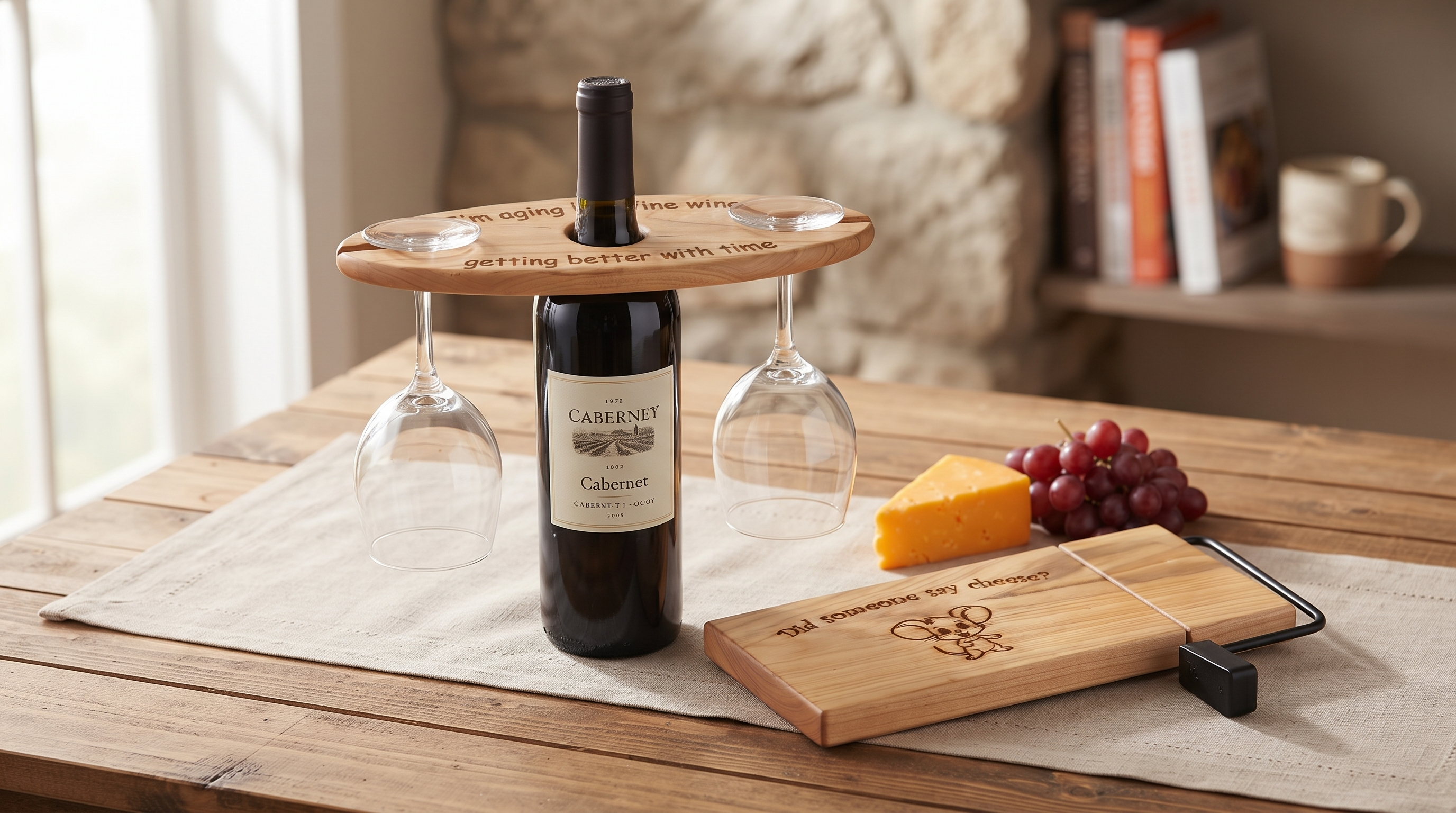
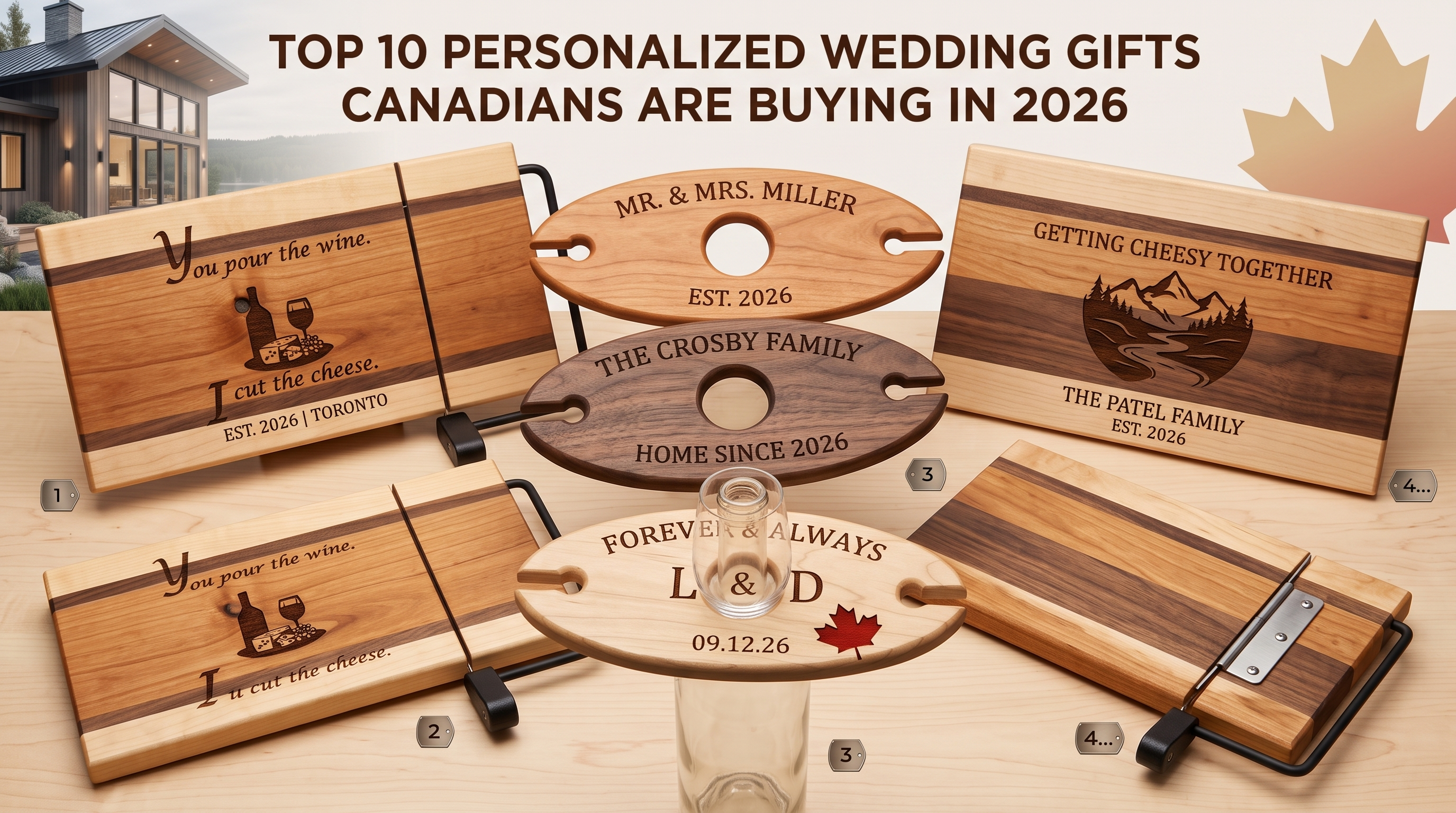
Wooden cheese slicers are commonly available with engraving options, allowing buyers to add names, family initials, wedding dates, or special messages. This transforms a functional kitchen tool into a meaningful keepsake.
Because of this, wooden cheese slicers are popular gifts for weddings, housewarmings, anniversaries, and holidays.
If you’re shopping for a thoughtful gift, you may also enjoy our guide on Why Personalized Wooden Cheese Boards Make the Perfect Gift, where we explain why custom wooden serving boards are a popular choice for weddings, housewarmings, anniversaries, and other special occasions.
Plastic cheese slicers rarely offer the same level of customization or gifting appeal.
Cost Comparison
Plastic cheese slicers generally have a lower upfront cost. For buyers who simply want an inexpensive tool for occasional use, they can represent a practical solution.
Wooden cheese slicers typically cost more due to the materials, craftsmanship, and dual-purpose design. However, many buyers view the higher price as an investment in durability, presentation, and overall quality.
The better value depends on whether you prioritize the lowest purchase price or long-term ownership.
Common Buying Mistakes
Before making a decision, avoid these common mistakes:
– Focusing only on price instead of long-term durability.
– Ignoring replacement wire availability.
– Choosing a slicer without considering how it will be stored.
– Overlooking maintenance requirements.
– Buying solely for appearance without evaluating build quality.
Experienced buyers often find that balancing functionality, durability, and aesthetics leads to the most satisfying purchase.
Which Cheese Slicer Is Better?
There is no universal winner because different buyers have different priorities.
A plastic cheese slicer may be the better choice if you want a lightweight, budget-friendly tool that requires minimal maintenance.
A wooden cheese slicer may be the better option if you value craftsmanship, presentation, durability, and the ability to personalize your kitchen accessories.
For many households, especially those who frequently serve cheese to guests or enjoy entertaining, a quality wooden cheese slicer offers both functionality and visual appeal that extends beyond simple food preparation.
Ultimately, the best cheese slicer is the one that aligns with how you use it, how often you use it, and the experience you want to create around serving food.