A well-designed home doesn’t just happen. It comes together over time; piece by piece, choice by choice. The materials matter. The layout matters. Even the smaller things, the ones people barely notice at first, quietly shape how the space feels.
That’s where wine caddies come in.
At first glance, they might seem like a simple accessory. Just something to carry a bottle. But in a thoughtfully styled home, they do more than that. They add intention. And intention is what separates a decorated house from a designed one.
Where Function Meets Style
Good design lives in that sweet spot between useful and beautiful. When something works well but looks awkward, it throws everything off. And when it looks great but serves no purpose… it slowly turns into clutter.
Wine caddies avoid that problem.
They give structure to something that’s usually handled casually, bringing a bottle to the table, setting it out for guests, moving it from kitchen to patio. Instead of a loose bottle rolling around on a countertop, you get a composed presentation. It feels thought-out. Framed. Finished.
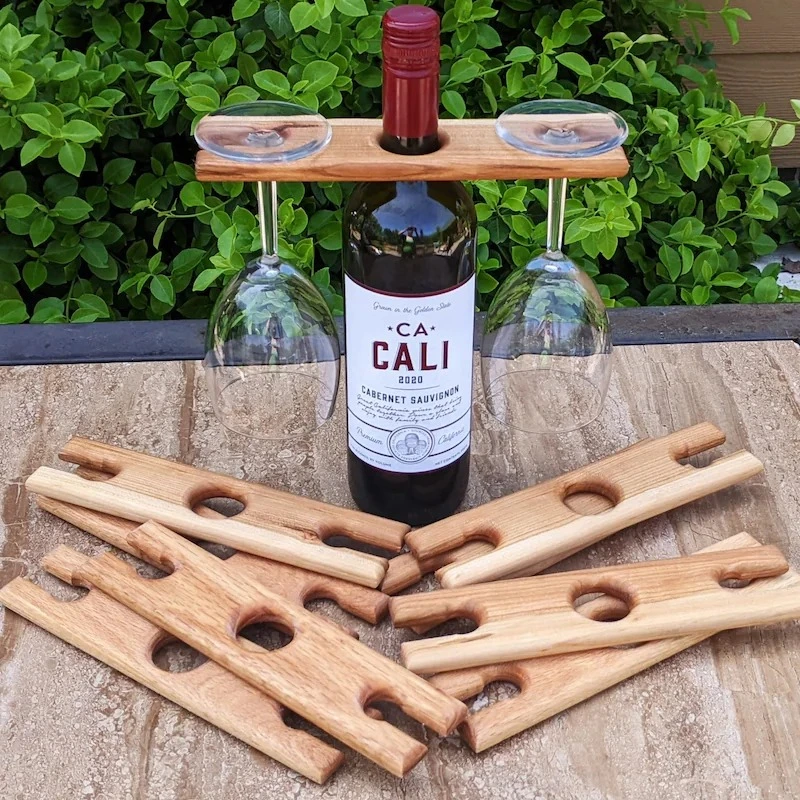
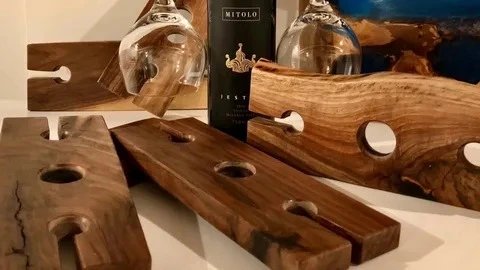
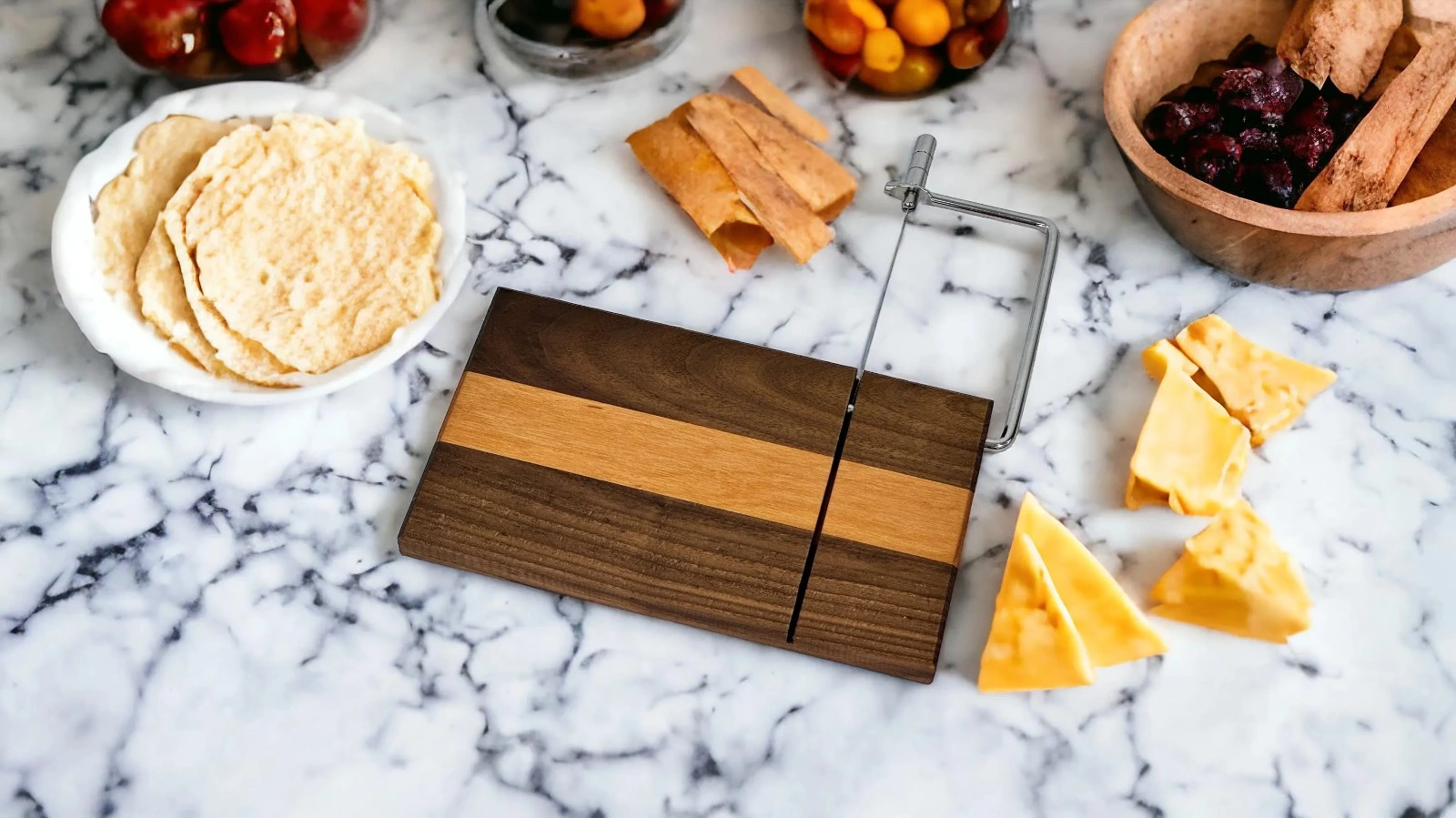
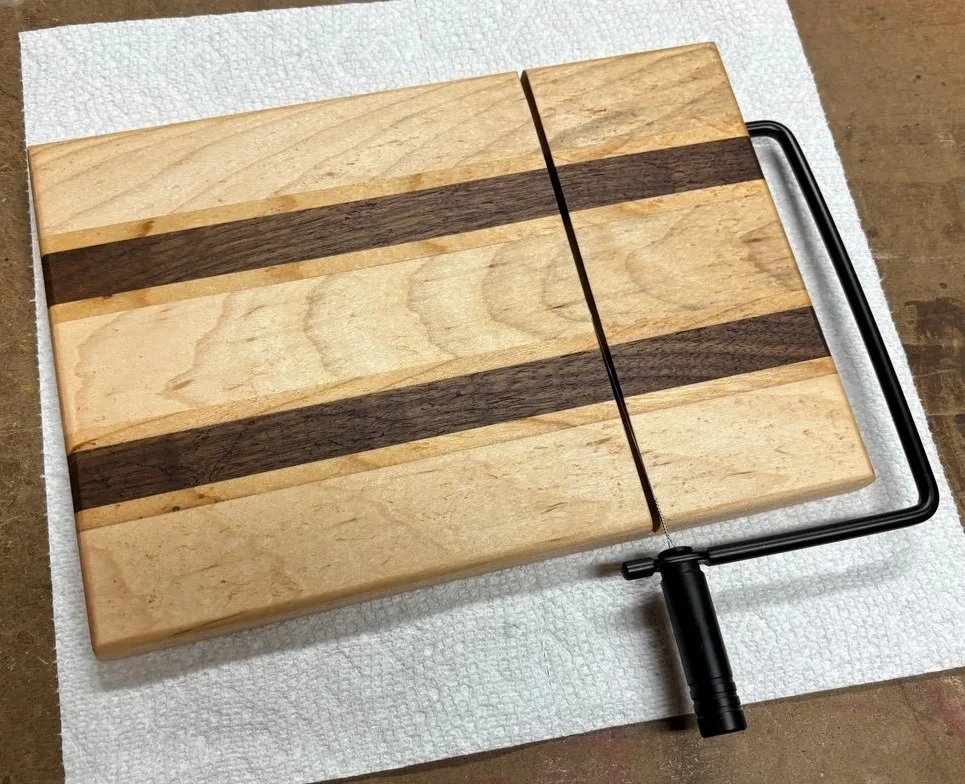
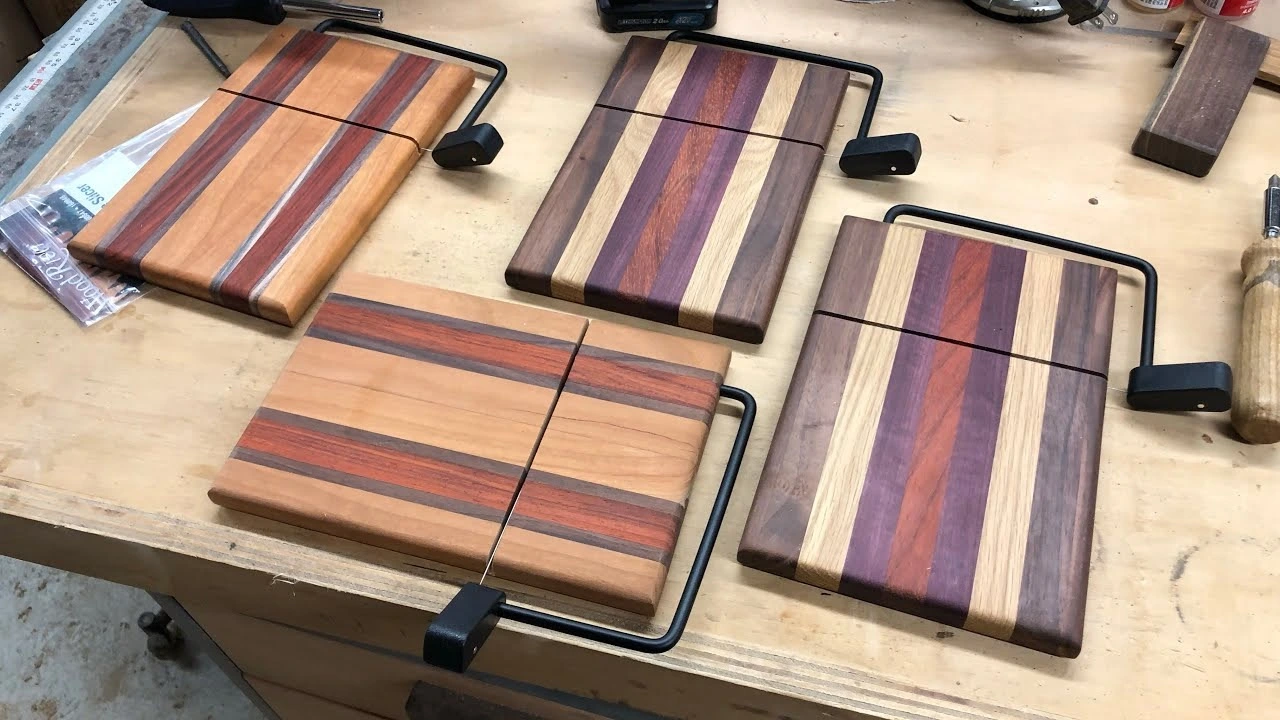
Especially when crafted from wood, a wine caddy adds warmth and texture. At BobG woodworks, we focus on wood to work to create pieces that bring both function and beauty to your home. Wood has that grounding quality, it softens modern kitchens and blends naturally into more traditional spaces. It doesn’t scream for attention, but it doesn’t disappear either.
Sometimes it’s these small, almost background details that elevate a room the most.
Hosting Feels Different When It’s Intentional
Homes aren’t just meant to be admired. They’re meant to be lived in. And living usually means hosting at some point, dinners, celebrations, casual nights with friends.
Presentation shapes experience more than we admit.
When a bottle of wine is handed over straight from the fridge, it’s fine. But when it’s carried out in a structured, well-made caddy, maybe with glasses tucked beside it, the tone shifts. It feels prepared. Considered.
It quietly says, I thought about this.
And that kind of subtle preparation changes the atmosphere of a gathering. It makes things feel smoother, a little more special, even if the evening itself is relaxed.
The Power of Material
Material selection plays a central role in interior design. Wood, in particular, introduces warmth, authenticity, and tactility. It softens modern spaces and enriches traditional ones.
Wooden wine caddies integrate effortlessly across styles:
- In minimalist homes, they add organic contrast.
- In rustic interiors, they reinforce natural textures.
- In contemporary settings, they act as grounded accent pieces.
- In classic spaces, they align with timeless craftsmanship.
Because wine caddies are compact, they can sit on countertops, open shelves, bar carts, or dining tables without overwhelming the visual balance. Yet their presence is noticeable. This balance between subtlety and impact is a hallmark of well-designed environments.
Organization Without Looking Forced
Clutter undermines design. Even beautiful objects lose value when poorly arranged.
Wine caddies offer structured containment. Instead of bottles scattered across surfaces, they create a designated, contained space. This aligns with one of the foundational principles of interior styling: intentional grouping.
Grouping similar items, like a wine bottle and glasses, creates visual cohesion. Wine caddies accomplish this effortlessly. The result is a composed vignette rather than visual noise.
For homeowners who prioritize clean lines and organized surfaces, wine caddies are not decorative extras; they are practical tools for maintaining order.
Elevating Everyday Moments
Design should enhance daily life, not just impress guests.
Wine caddies support small rituals, an evening unwind, a weekend dinner, a quiet celebration. By housing the bottle in a structured form, they subtly elevate these moments. The act of carrying the caddy from kitchen to table feels intentional. The placement on the dining surface feels styled rather than improvised.
Over time, these small design decisions shape how a home feels. They create rhythm and familiarity. Wine caddies become part of that rhythm.
Craftsmanship Still Matters
In a market saturated with mass-produced decor, craftsmanship stands out.
Quality wine caddies are not generic. They are constructed with attention to grain, proportion, joinery, and finish. The precision of the cut, the smoothness of the edges, and the durability of the structure reflect care in production.
Well-designed homes often feature pieces that reveal this level of thought. They prioritize longevity over disposability. A well-crafted wine caddy is not seasonal decor, it is a lasting accessory.
The durability of solid wood ensures that it ages gracefully, developing character rather than deteriorating. This aligns with sustainable design principles that value permanence and material integrity.
When Personalization Changes Everything
Here’s where things get more meaningful.
Add a name.
A date.
A short message.
An anniversary.
Suddenly, a functional object becomes personal.
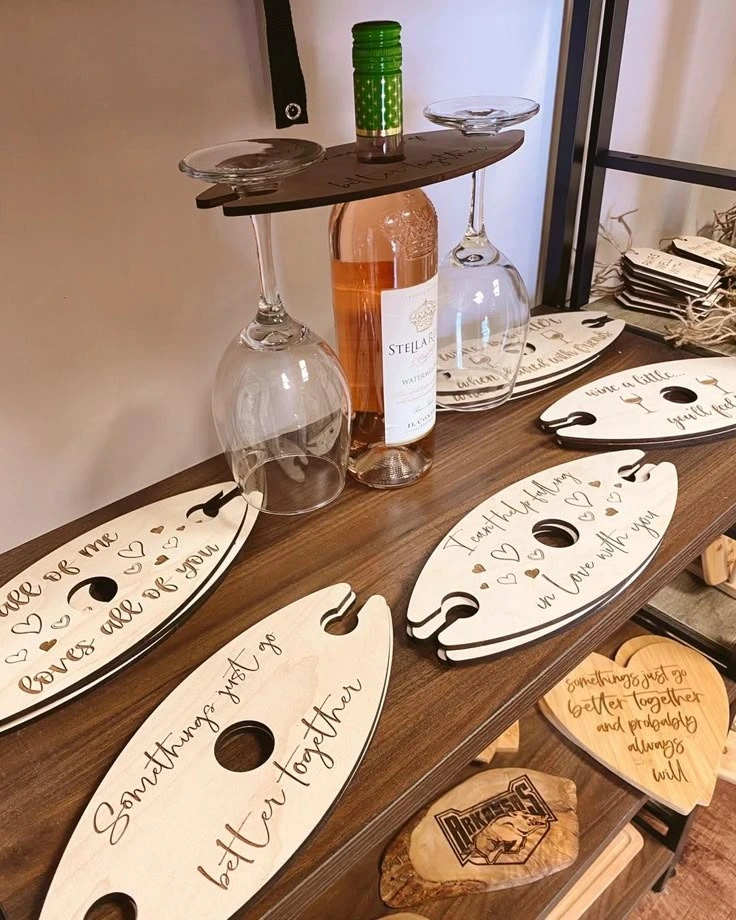
Customized wine caddies move beyond aesthetics. They carry memory. They mark occasions. They turn into keepsakes, especially when given as gifts for weddings, housewarmings, or milestone celebrations.
Objects that hold meaning tend to stick around. They don’t get replaced. They become part of the story of a home.
And that’s powerful design, when something is both useful and emotionally significant.
Versatility Across Spaces
Wine caddies are not limited to dining rooms or kitchens.
They integrate seamlessly into:
- Home bars
- Open shelving displays
- Living room consoles
- Outdoor entertaining areas
- Picnic and patio setups
Because of their portability, they adapt to changing layouts and occasions. Their compact scale allows them to function as both storage and decor. This flexibility is particularly valuable in modern homes where multi-functional spaces are common.
In smaller homes or apartments, items must justify their footprint. Wine caddies do. They combine storage, transport, presentation, and decor into a single object.
Supporting a Cohesive Aesthetic
Interior design relies on cohesion. Random, mismatched objects disrupt flow.
When wine caddies are crafted with attention to proportion and finish, they integrate harmoniously with other wooden elements, cutting boards, shelves, dining tables, or serving trays. The repetition of material creates visual continuity.
This continuity is subtle but powerful. It signals that the space has been thoughtfully assembled rather than spontaneously filled.
A Small Detail with Significant Impact
Not every design decision must be dramatic to be meaningful. Often, the smallest additions create the strongest impressions.
Wine caddies occupy this category. They are understated yet refined. Practical yet elegant. Compact yet impactful.
They align with core principles of well-designed homes:
- Function with purpose
- Material integrity
- Organized presentation
- Emotional connection
- Timeless appeal
When chosen intentionally, especially with a customized message, they transcend utility. They become part of the home’s identity.
In well-designed spaces, nothing is accidental. Wine caddies belong because they embody the same philosophy: thoughtful craftsmanship, practical elegance, and meaningful detail.
That is what elevates a house into a home.