There’s a noticeable difference between using a basic kitchen tool and one that has been genuinely designed with care. You feel it in the movement, in the weight, in the precision of the result. A cheese slicer is one of those tools where quality becomes obvious immediately. It may look simple, wood, metal, a cutting mechanism, but behind a well-crafted piece is a thoughtful balance of engineering, material science, and fine woodcraft.
A great cheese slicer doesn’t demand attention while you use it. It simply works. The wire cuts cleanly. The board stays steady under pressure. The slice falls evenly. That seamless performance is never accidental. It is the result of intentional design decisions made long before the product reaches the table.
The Foundation: Material and Structure
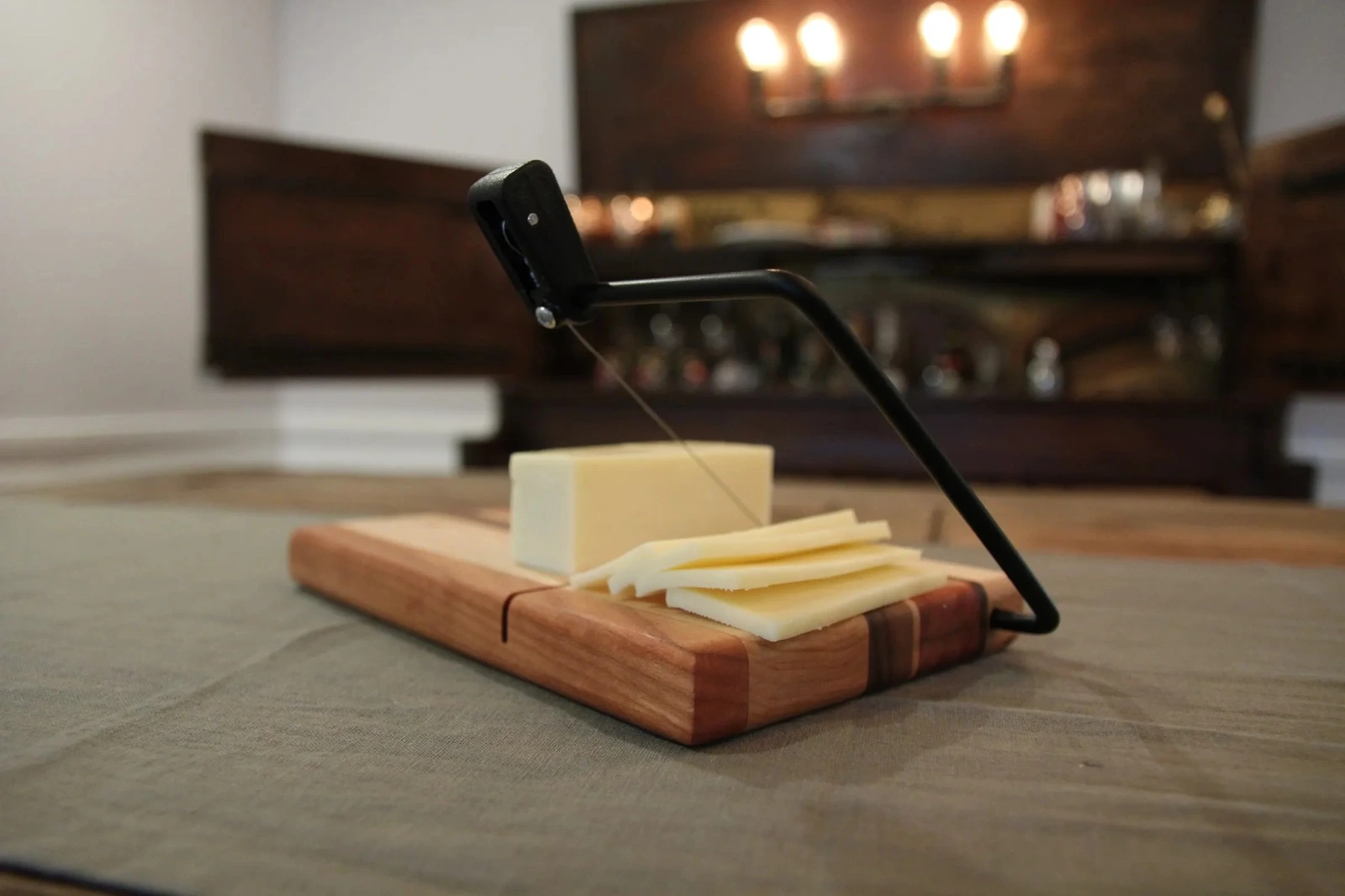
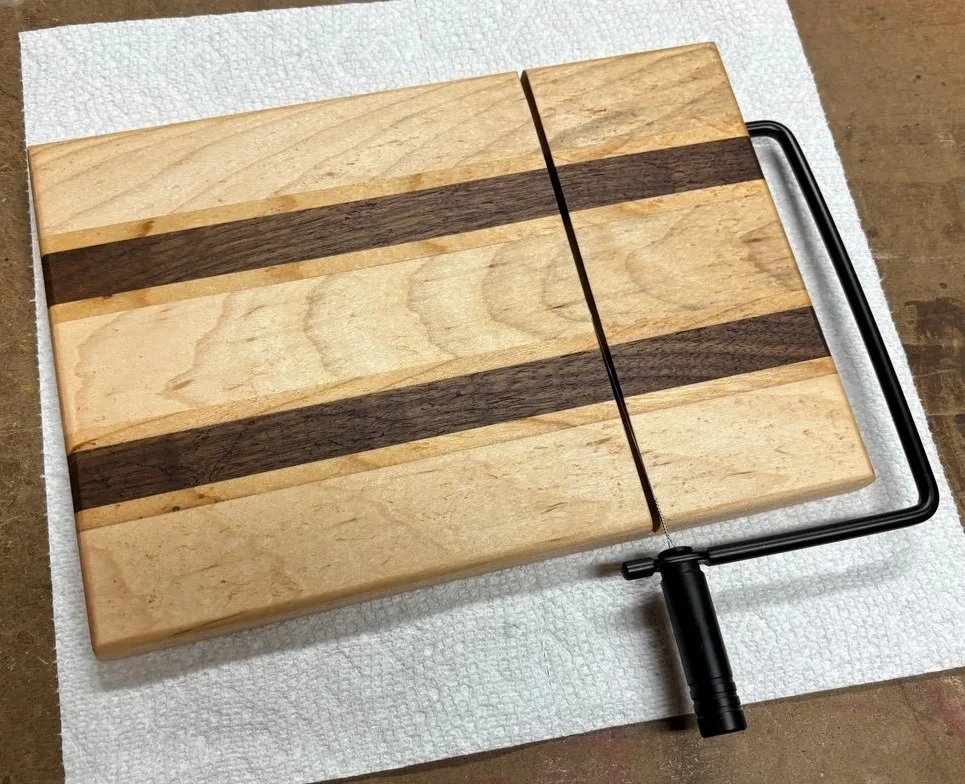
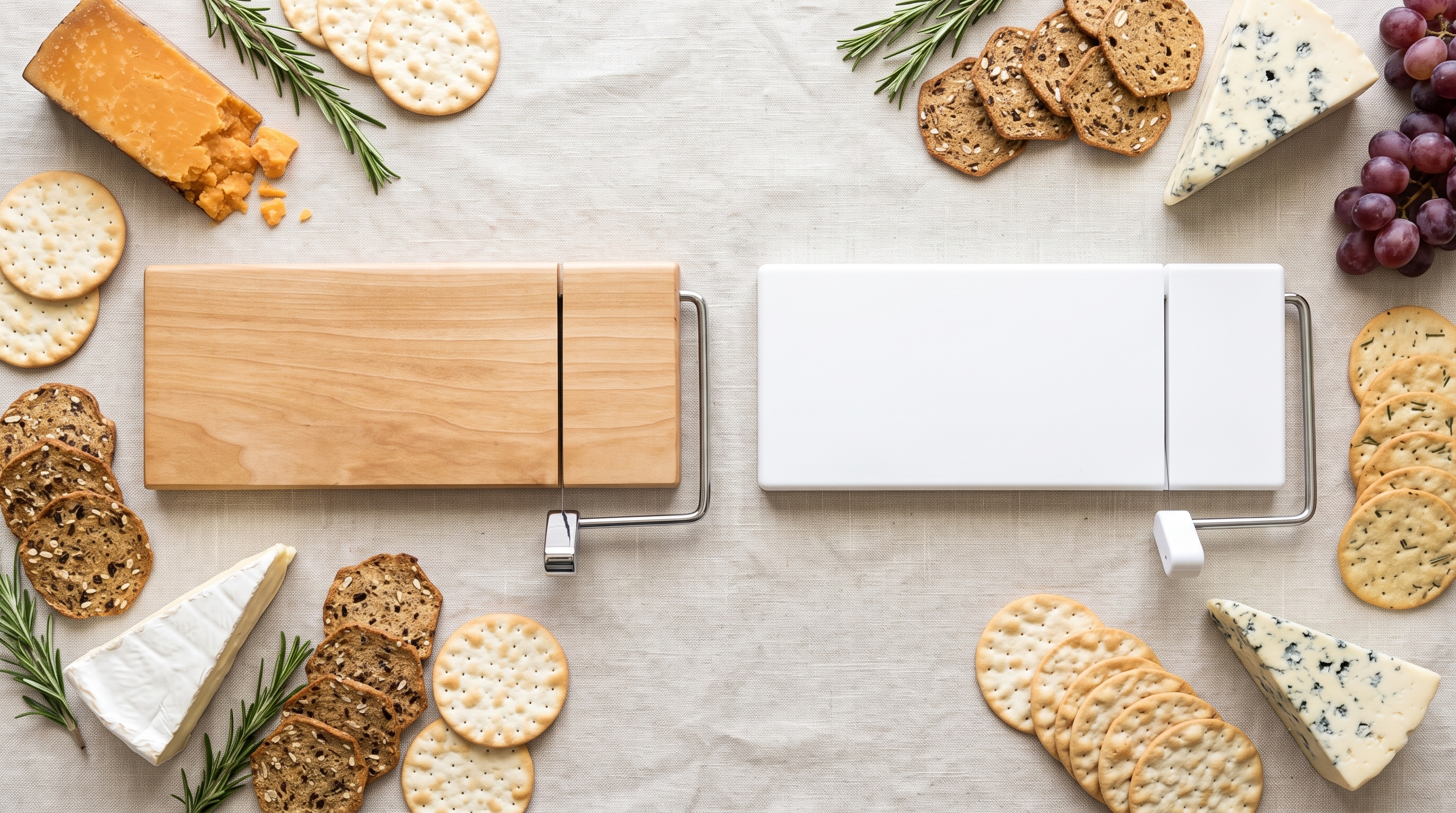
At the core of every premium cheese slicer is the wood itself. In refined design, wood is not chosen just for appearance; it is chosen for performance. Hardwood varieties such as walnut, maple, or oak provide density and stability. When slicing through semi-soft cheddar or firm parmesan, the base must resist flexing or shifting. Stability ensures uniform slices and controlled motion.
Grain direction plays a critical role in durability. A skilled craftsperson understands how tension from a slicing wire or pressure from a blade interacts with the wood fibres. Proper orientation strengthens the structure and reduces the risk of cracking over time. These technical considerations are invisible to the eye, yet they determine whether a cheese slicer remains reliable for years.
Surface finishing is equally important. Cheese releases oils and moisture, and without proper sealing, the wood can absorb stains or degrade. A food-safe oil finish protects the surface while preserving the warmth and tactile quality of natural wood. The board should feel smooth but not overly polished, refined but not artificial. The finish should enhance the material, not mask it.
Ergonomics and Balance
Design is not only about how something looks; it is about how it feels in the hand. A well-designed cheese slicer considers grip, wrist alignment, and leverage. Subtle curves in the handle reduce strain during repeated slicing. The thickness and contour allow for confident control without discomfort.
Balance is another critical factor. If the handle is too light, the cut may feel unstable. If it is too heavy, control becomes difficult. Proper weight distribution allows the motion to feel natural. The tool should assist the slice rather than resist it. When wood and steel are proportioned correctly, slicing feels smooth and consistent.
The cutting mechanism also shapes the design. Wire-based cheese slicers are often preferred for semi-soft cheeses because they create uniform, clean slices. However, wire tension must be calibrated precisely. Excess tension can stress the wood, while insufficient tension leads to uneven cuts. Reinforced anchor points and careful integration of hardware ensure durability without compromising aesthetics.
Aesthetics with Purpose
A cheese slicer occupies visible space. It appears on charcuterie boards, dining tables, and kitchen counters. For that reason, design must balance performance with presentation. The most refined pieces rely on the natural beauty of wood rather than excessive ornamentation. Grain patterns, tonal variation, and organic texture become the primary visual features.
Hardware integration should feel seamless. Screws and fittings should not distract from the overall design. Edges are typically chamfered or rounded for both comfort and visual softness. Every transition between materials should feel deliberate and cohesive.
When done well, the result is understated elegance. The cheese slicer complements its surroundings rather than dominating them.
Designed to Last
Durability is where fine woodcraft truly distinguishes itself. Many mass-produced tools prioritize low cost over longevity. Thin boards and weak hardware may function initially but deteriorate quickly. A thoughtfully crafted cheese slicer, however, is built with long-term performance in mind.
Solid hardwood resists warping. Secure hardware placement prevents loosening. Proper finishing protects against moisture and staining. With occasional maintenance, such as light re-oiling, a quality cheese slicer can remain reliable for years. Over time, the wood develops subtle character, reflecting use rather than wear.
There is also an emotional element to durability. Wooden objects age differently from plastic or composite materials. They develop patina and warmth. Instead of feeling disposable, they become familiar. A well-made cheese slicer can quietly become part of daily routines and special gatherings alike. That longevity is also what makes a well-crafted cheese slicer a meaningful piece to gift or pass down.
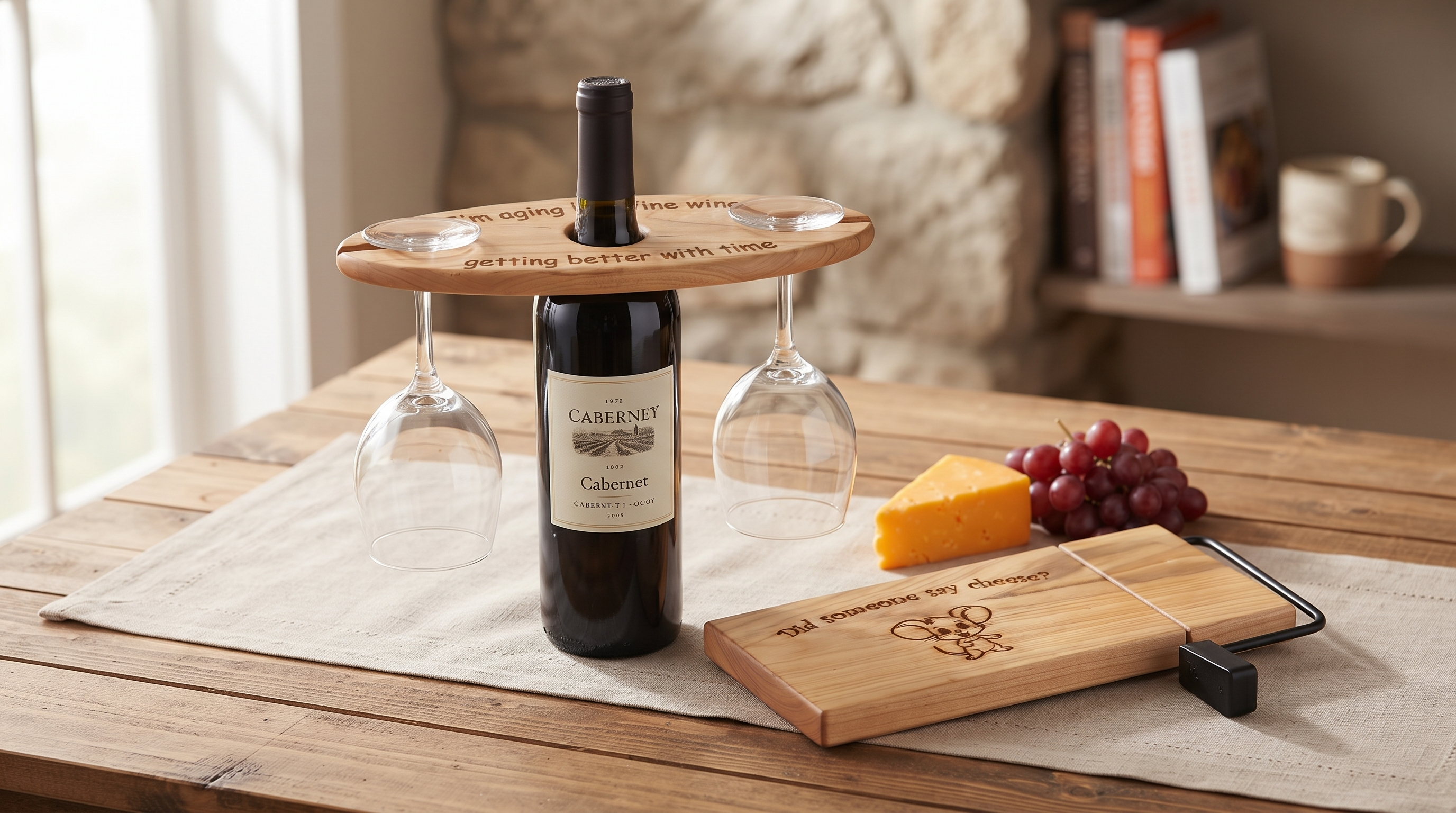
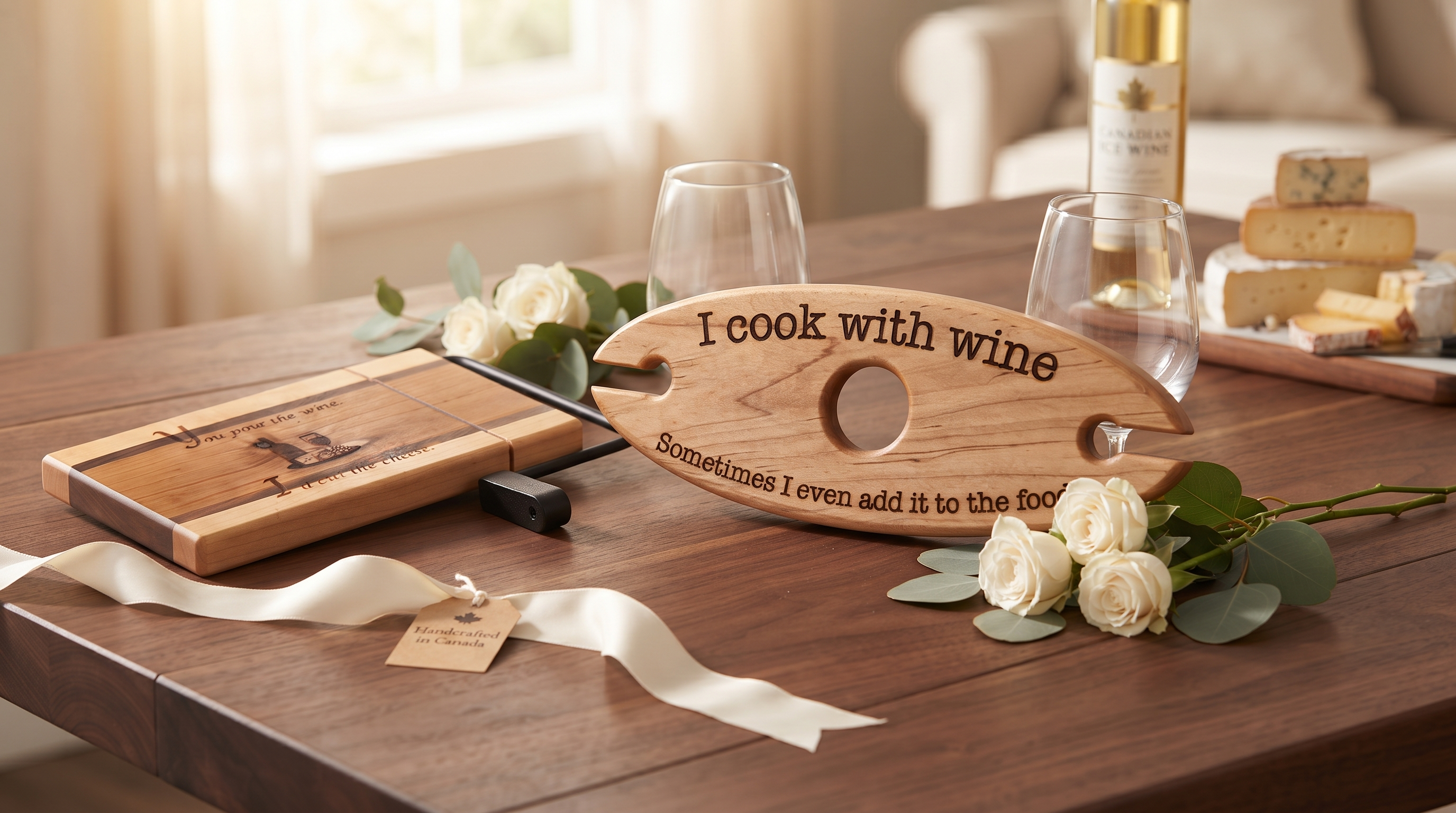
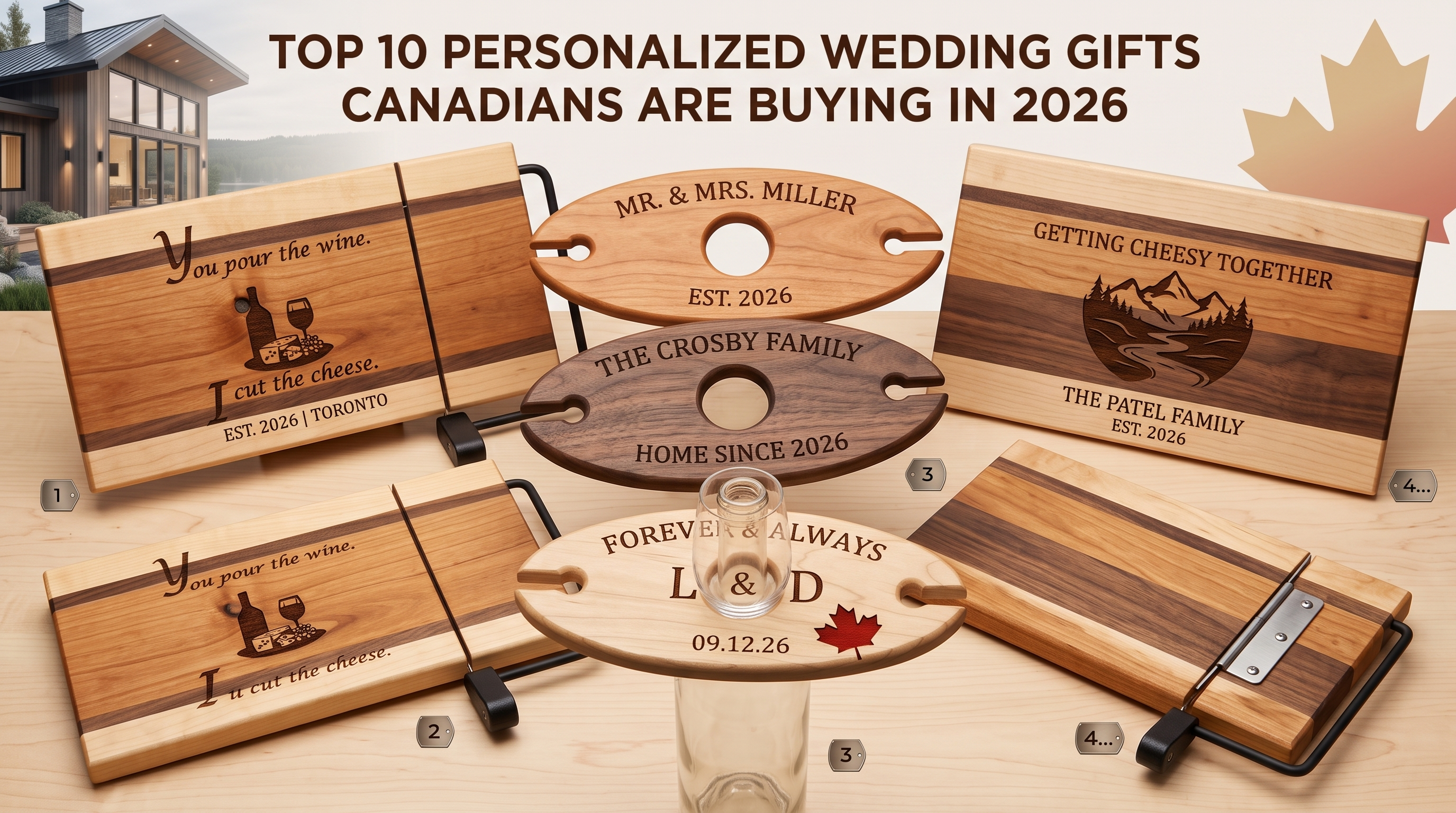
At BobG Woodworks, we offer custom engraving options across our cheese slicer collection, allowing you to add a family name, meaningful date, or short message directly onto the wood. Each engraving is done with precision to complement the natural grain rather than overpower it, preserving the clean, refined aesthetic of the piece. The result is more than a functional kitchen tool, it becomes a thoughtful wedding gift, a housewarming keepsake, or a lasting reminder tied to special moments.
Where Function Meets Craft
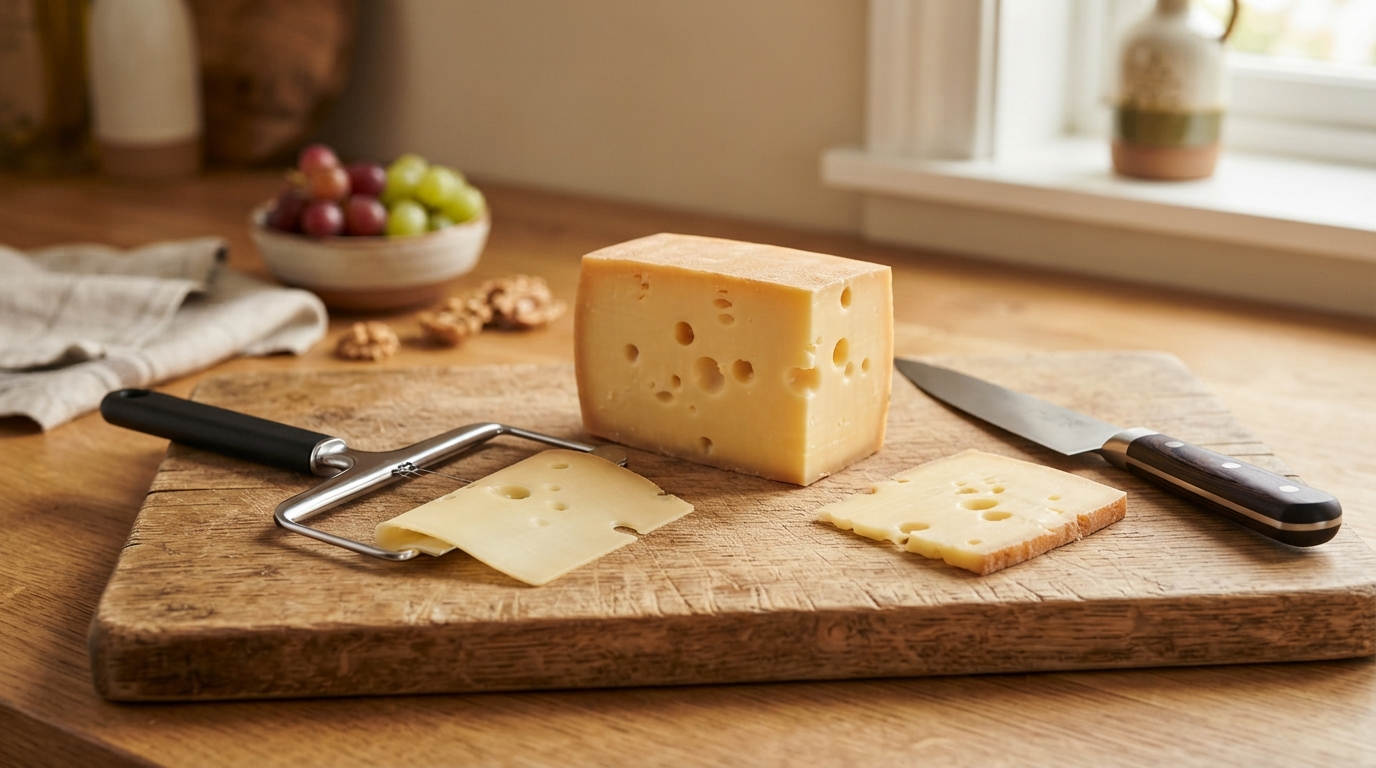
Ultimately, a cheese slicer is a functional tool. It must cut cleanly and consistently across a range of cheeses, from soft brie to aged parmesan ( do not press hard, let the wire do the cutting). But when function is combined with fine woodcraft, it becomes more than that. It becomes an object that reflects intention.
Material selection, structural integrity, ergonomic balance, and restrained aesthetics all converge in a well-designed cheese slicer. The simplicity you experience during use is the result of complexity resolved during design.
In a world filled with disposable kitchen tools, choosing a thoughtfully crafted cheese slicer signals a different approach, one that values durability, precision, and craftsmanship. Every smooth, even slice becomes a small confirmation that good design matters.
And when function truly meets fine woodcraft, the difference isn’t loud. It’s simply evident every time you make the cut.